When a garage door starts and then stops, it’s usually not a random glitch. Modern garage doors are designed to stop when something’s wrong, whether that’s a blocked sensor, worn components, or a deeper mechanical problem.
At Precision Overhead Doors, we have seen this issue in many forms and can identify the cause and fix it correctly. In this guide, we will walk you through the most common reasons this happens, what you can safely check on your own, and when it is time to call a professional.
If your garage door is not operating the way it should, don’t wait. Contact us today for fast, reliable service.
Why Garage Doors Stop Mid-Cycle
Modern garage door systems have built-in safety and resistance detection features. If the door encounters resistance, misalignment, or a system fault, it will automatically stop or reverse to prevent damage or injury.
This means door cycle issues are rarely random. In most cases, they’re triggered by a specific problem, such as:
- Obstruction detection
- Mechanical resistance
- Balance or force issues
- Opener safety settings
Identifying the root cause is the first step to getting your garage door working properly again.
What’s Behind a Garage Door That Starts Then Stops
1. Safety Sensors Are Blocked or Misaligned
Safety sensors are one of the most common reasons a garage door starts then stops, especially during closing.
These sensors create an invisible beam across the bottom of the door. If that beam is interrupted or if the sensors are not properly aligned, the system will immediately stop to prevent potential injury or damage.
What to check:
- Dirt, dust, or debris on the sensor lenses
- Misalignment, often indicated by blinking or inactive lights
- Objects blocking the sensor path
Even a small obstruction or slight misalignment can prevent the door from completing its cycle.
2. Track Obstructions or Damage
Your garage door depends on smooth, unobstructed track movement. If the door encounters resistance along the track, it will stop as a protective measure.
Common issues include:
- Bent or dented tracks
- Debris or buildup inside the track
- Sections of track that are out of alignment
If your garage door consistently stops at the same point, the track is often the source of the problem.
3. Improper Lubrication or Friction Build-Up
Over time, moving parts can dry out or collect dust, increasing friction and making it harder for the door to operate smoothly.
This is especially common in dry climates like Las Vegas, where dust accumulation is more frequent.
Signs to look for:
- Slower or hesitant movement
- Squeaking or grinding noises
- The door stopping under strain
Routine maintenance, including proper lubrication, can prevent these issues and extend the life of your system.
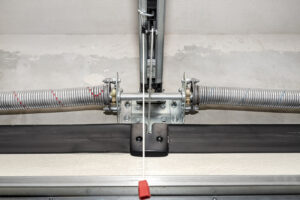
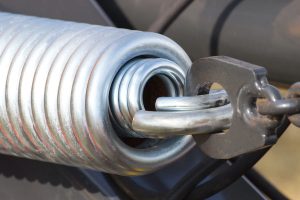
4. Worn or Broken Springs
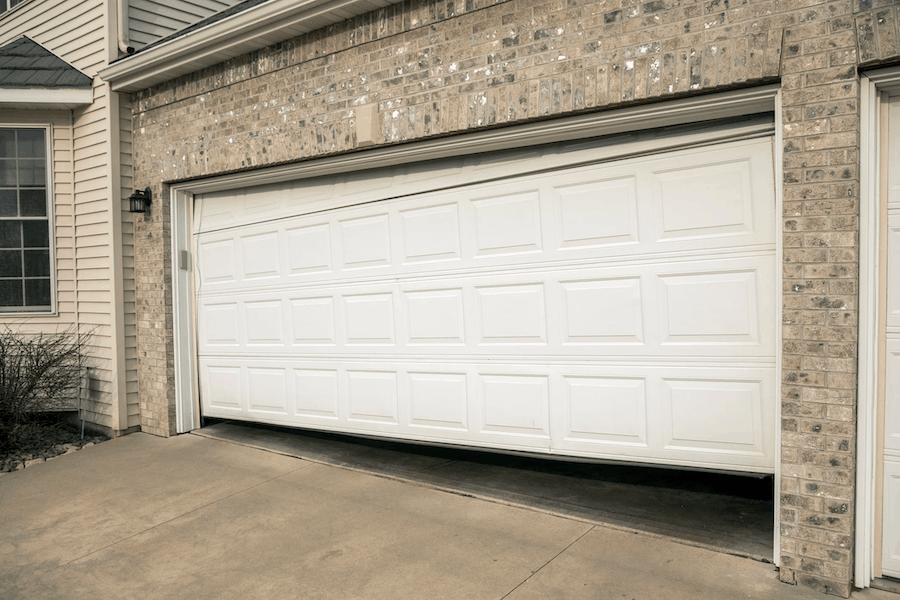
Garage door springs handle the heavy lifting. When they weaken or fail, the opener may be able to start lifting the door but not finish the job.
You may notice:
- The door begins to move but stalls
- The opener sounds strained or overworked
- The door feels unusually heavy when lifted manually
If you notice these signs, contact a professional immediately. This is a serious issue that should be addressed immediately with professional spring repair.
5. Opener Force or Travel Limits Are Incorrect
Garage door openers are designed to stop if they sense too much resistance or when they reach a preset travel limit.
If these settings are not calibrated correctly, the door may:
- Stop before fully opening or closing
- Reverse unexpectedly
- Struggle to complete a full cycle
These issues can occur after a power outage, system reset, or improper adjustment.
6. Garage Door Opener Malfunction
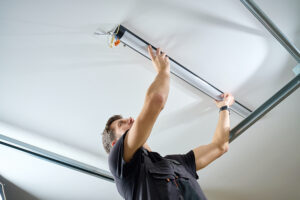
If all other components appear to be functioning properly, the issue may lie within the garage door opener itself.
Possible causes include:
- Worn internal gears
- Motor fatigue or overheating
- Circuit board or electrical issues
In these cases, professional repairs or a full replacement is typically required to restore reliable operation.
What You Can Safely Check Yourself
Before scheduling service, there are a few simple and safe troubleshooting steps you can take:
- Clean and realign the safety sensors
- Check for visible obstructions in the tracks
- Listen for unusual noises during operation
- Test the door manually after disconnecting the opener
These quick checks can help you identify obvious issues and may even resolve minor problems.
Important: Do not attempt to adjust or handle springs, cables, or other high-tension components. These parts can be dangerous and should always be handled by a trained professional.
How Climate Can Impact Garage Door Performance
Environmental conditions play a bigger role in garage door issues than many homeowners realize. Because garage doors rely on moving parts and precise alignment, climate changes can affect how smoothly the system operates.
Across different regions, common climate-related factors include:
- Heat can impact metal components and reduce opener efficiency over time
- Cold temperatures can cause parts to contract and become less responsive
- Humidity can lead to rust and corrosion on springs and hardware
- Dust and debris can interfere with sensors and moving components
For Las Vegas homeowners, these conditions are especially relevant:
- Extreme heat can affect both metal components and opener performance
- Dust buildup can disrupt sensors and increase wear on moving parts
- Dry air increases friction without proper lubrication
These factors can make issues like a garage door starting and stopping more common. That’s why routine inspections and regular maintenance are essential.
How to Prevent Your Garage Door from Stopping Unexpectedly
Most of these issues are preventable with regular care.
- Schedule annual inspections
- Keep moving parts lubricated
- Clean sensors and tracks regularly
- Address minor issues early
When to Call a Professional
If your garage door continues to stop mid-cycle, it is a clear sign that something deeper is wrong. At that point, it is best to have the system inspected by an experienced technician.
You should contact a professional if you notice:
- The issue keeps happening, even after basic troubleshooting
- The door feels heavy, uneven, or unbalanced
- You hear loud snapping, grinding, or straining noises
- The opener struggles, hesitates, or overheats
Ignoring these warning signs can lead to more serious damage, higher repair costs, and potential safety risks. Act early and contact a professional to protect your system and ensure your garage door operates safely and reliably.
Why Homeowners Trust Precision Overhead Doors
Get Your Garage Door Back on Track
If your garage door starts and then stops, it is not something to ignore. It is a clear warning that your system is not operating as it should.
At Precision Overhead Doors, we have the experience and training to quickly identify the root cause and restore your system safely. Addressing the issue early helps prevent more extensive damage, reduces long-term repair costs, and ensures your garage door continues to operate reliably.
Contact us today to schedule professional service and get your garage door back to a safe, dependable performance.