Most homeowners don’t think about their garage door springs until they fail. And when they do, it’s not just inconvenient; it can leave your garage door unsafe or completely inoperable.
So, how long do garage door springs last? While most are rated for 7 to 12 years (around 10,000 cycles), that lifespan isn’t guaranteed. Frequent use, lack of maintenance, and improper installation can shorten it significantly, often without obvious warning. This is doubly true in Las Vegas, where soaring temperatures and dry conditions wear heavily on metal structures.

At Precision Overhead Doors, we’ve seen firsthand how quickly a worn or broken spring can escalate from a minor issue into a costly repair—or even a serious safety hazard. As Las Vegas’s trusted garage door experts, we know that proper installation, routine maintenance, and early detection are key to avoiding unexpected failures.
In this guide, we’ll break down what truly impacts spring lifespan, how to recognize warning signs before they become problems, and what you can do to keep your garage door operating safely and reliably.
If your garage door isn’t performing like it should, don’t wait. Contact us today to schedule a professional inspection.
Why Garage Door Springs Matter More Than You Think
Your garage door might look simple, but in reality, it’s a carefully balanced system. To maintain safe operation, industry groups like the Door & Access Systems Manufacturers Association emphasize that garage door systems rely on properly balanced springs to function correctly and reduce strain on other components.
The Role Springs Play in Daily Operation
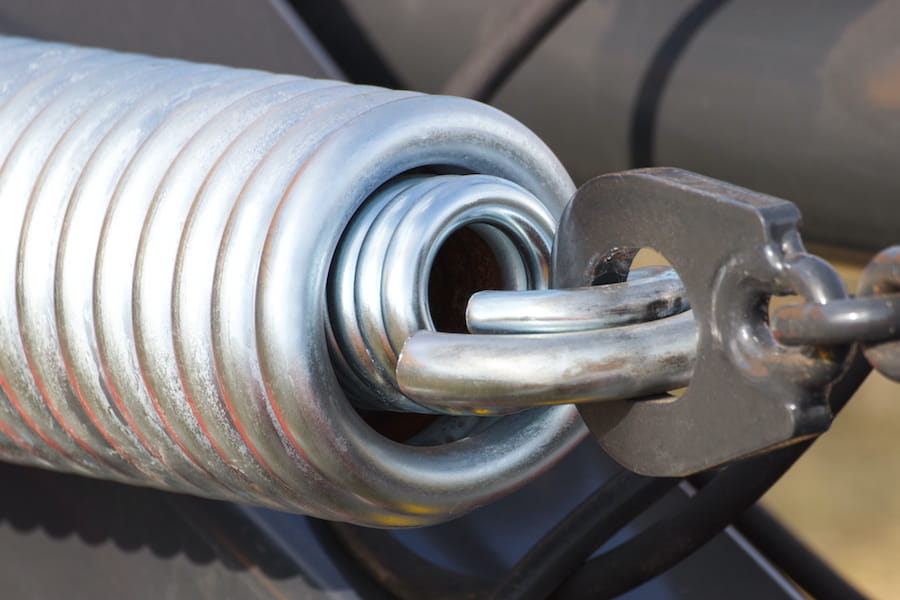
Garage door springs carry the full weight of the door—often 150 to 300 pounds—and make it possible to open and close with minimal effort. Without properly-functioning springs, even the best garage door opener won’t be able to do its job effectively.
When springs begin to wear out, the warning signs aren’t always obvious. Homeowners often notice issues that seem unrelated at first:
- The opener struggles or slows down
- The door doesn’t stay open halfway
- Movement becomes uneven or noisy
Many homeowners assume they need a garage door opener repair, when in reality, the problem is often worn or overworked springs.
So, How Long Do Garage Door Springs Really Last?
Most standard springs are designed for 10,000 cycles. One cycle is a full open and close.
That means:
- If you use your garage 4 times a day, your springs could wear out in about 6–7 years
- If your garage is your main entry point, that timeline gets even shorter
Higher-quality, high-cycle springs can last longer—sometimes up to 15,000–30,000 cycles—but even those eventually wear down.
Over time, the metal weakens. The tension changes. And eventually, the spring reaches a breaking point.

What Shortens the Life of Garage Door Springs?
Not all springs wear out at the same rate. In our experience serving homeowners across the area, a few key factors consistently impact how long they last.
Frequent Daily Use
Families that rely on the garage as their primary entrance naturally put more strain on the system. More cycles mean faster wear.
Lack of Maintenance
Springs need occasional lubrication and inspection. Without it, friction increases and lifespan drops. Routine maintenance can significantly extend the life of your system.
Improper Installation
If springs aren’t properly sized or installed, they may wear unevenly or fail prematurely.
Climate and Environmental Conditions
Climate plays a direct role in how long garage door springs last. Because they’re under constant tension, environmental stress can gradually weaken the metal.
In general, different climates affect springs in different ways:
- Cold climates: Springs can become brittle and more prone to snapping
- Humid climates: Moisture can lead to rust and corrosion
- Temperature fluctuations: Expansion and contraction accelerate metal fatigue
For Las Vegas-area homeowners, there are additional considerations:
- Extreme heat can cause springs to expand and gradually lose tension
- Dry, dusty conditions increase friction without proper lubrication
- Daily temperature swings contribute to long-term wear

The Warning Signs Most Homeowners Miss
Garage door springs rarely fail without warning, but the signs are easy to overlook.
Look out for:
- A door that suddenly feels heavy
- Jerky or uneven movement
- Squeaking or grinding noises
- The door won’t stay open halfway
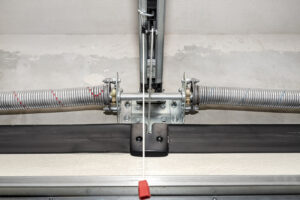
- Visible gaps in the spring
If you notice these issues, it’s best to schedule spring repairs before a full failure occurs. If you’re in need of repairs, contact our team today for dependable service and long-lasting results.
What Happens When a Spring Breaks?
When a garage door spring breaks, it’s usually sudden—and loud.
Most homeowners describe a sharp snapping sound, followed by a door that won’t open or feels extremely heavy.
At that point, the system is no longer safe to operate.
According to the U.S. Consumer Product Safety Commission (CPSC), thousands of garage door-related injuries occur each year—many involving high-tension components like springs.
Because these springs are tightly wound and store significant energy, a sudden release can cause serious injury. That’s why attempting DIY spring repair isn’t just risky—it can be dangerous without the proper tools and training.
In many cases, forcing the system to operate can also lead to additional issues, requiring more extensive (and costly) repairs. That’s why it’s important to reach out to a trusted team as soon as problems arise.
Can You Make Garage Door Springs Last Longer?
Yes! And homeowners who take a proactive approach consistently get more life out of their garage door springs.
While no spring lasts forever, a few simple habits can significantly slow wear and help you avoid premature failure:
- Lubricate springs regularly to reduce friction and prevent metal fatigue
- Schedule annual inspections to catch imbalance or tension issues early
- Address minor problems quickly before they turn into larger repairs
- Upgrade to high-cycle springs when it’s time for replacement
With the right maintenance and professional care, you can extend the lifespan of your springs, improve overall performance, and reduce the risk of unexpected breakdowns.
Should You Replace Both Springs at Once?
In most cases, yes.
Even if only one spring breaks, the other has experienced the same wear and is likely close to failure. Replacing both:
- Keeps the door balanced
- Prevents another service call
- Improves overall performance

Is It Time for More Than Just a Spring Repair?
Sometimes, worn or aging springs are a symptom of a bigger issue rather than just a standalone repair.
If your garage door is older, frequently breaking down, or showing visible damage, it may be more cost-effective to consider a full garage door replacement. Upgrading to newer material options like fiberglass, or premium models like CHI garage doors, can improve your garage’s durability, contribute to your home’s overall energy efficiency, and boost curb appeal.
You can also enhance performance by pairing new springs with modern opener systems like Chamberlain or Craftsman openers, which offer smoother operation, improved safety features, and added convenience.
Taking a step back to evaluate the full system—not just the springs—can help you make a smarter, longer-lasting investment.
The Precision Overhead Doors Difference
At Precision Overhead Doors, we’ve built our reputation by helping homeowners solve garage door problems the right way—safely, efficiently, and with long-term results in mind.
As a locally-owned and operated company with over 30 years of experience, we know that a worn spring isn’t just a minor inconvenience; it’s something that can impact the safety and reliability of your entire system. That’s why we take the time to properly diagnose the issue, recommend the right solution, and ensure everything is working as it should before we leave.
Homeowners trust us because we focus on:
- Accurate, honest assessments—no guesswork, no unnecessary upsells
- Safe, professional spring replacement using the right tools and techniques
- Long-term reliability, not quick fixes that lead to repeat issues
Having served over 100,000 customers across the Las Vegas area, we understand how local conditions and daily use impact garage door systems. Whether it’s a simple repair or a full system upgrade, our goal is always the same: to keep your garage door operating safely, smoothly, and reliably.
Schedule Service with Precision Overhead Doors
So, how long do garage door springs last? Long enough that they’re easy to ignore—until they fail.
The smarter approach is to stay ahead of the problem. If you suspect your springs are wearing out, don’t wait for a sudden failure. Precision Overhead Doors is ready to help.
From garage door repair to full system upgrades and garage door opener solutions, our team takes pride in delivering dependable, professional service you can trust.
Contact us today to schedule your inspection and get your garage door back to peak performance.
FAQ: Garage Door Spring Lifespan
Most garage door springs last 7 to 12 years, or about 10,000 cycles (one open and close = one cycle). Homes with frequent use may see a shorter lifespan, while proper maintenance can help extend it.
Common warning signs include:
- The garage door feels heavy
- The door won’t stay open halfway
- Jerky or uneven movement
- Loud squeaking or grinding noises
- Visible gaps or stretching in the spring
If you notice these, it’s best to schedule a professional inspection before the spring fails completely.
Yes. Garage door springs are under extreme tension and can cause serious injury if handled incorrectly. Professional technicians have the tools and training to safely replace them.
In most cases, yes. Even if only one spring breaks, the other has likely experienced similar wear and is close to failing. Replacing both ensures balanced operation and prevents another service call.
Most homeowners can expect to pay between $150 and $500, depending on the type of springs and whether you upgrade to high-cycle options. Emergency repairs may cost more.
Yes. When springs lose tension, the opener has to work harder to lift the door, which can lead to premature wear or failure. In some cases, you may also need garage door opener repair.
It’s recommended to have your garage door system inspected at least once per year. Regular inspections help identify early signs of wear and prevent unexpected breakdowns.