Torsion Spring vs Extension Spring: What Homeowners Should Know
At Precision Overhead Door, we know that garage door springs are some of the most important components in your garage door system. They may not be the most noticeable parts of the door, but without properly functioning springs, opening and closing a garage door can become difficult or impossible.
If you have ever searched for torsion spring vs extension spring, you may be wondering what actually makes these two systems different. Both types of springs perform the same basic job: they counterbalance the weight of the garage door so it can move more easily. However, they accomplish this in different ways, and those differences can affect how your door operates, how much space the system needs, and what may be required when a spring eventually reaches the end of its service life.
Understanding spring lifespan is especially important for homeowners in Clark County. Much of the Las Vegas Valley experienced significant residential growth during the mid-2000s, which means many homes are now approaching or reaching the 20-year mark. While a garage door may have a life expectancy of approximately 20 to 25 years, the components that make it operate do not necessarily last as long.
A torsion system may last around 5 to 8 years, depending on usage and cycles. Garage door openers may last approximately 12 to 18 years. This means that by the time a garage door reaches the end of its expected lifecycle, homeowners may have already replaced the torsion system multiple times.
That can help explain why an older garage door may seem to experience repeated spring problems. The springs may not necessarily be failing unusually quickly. Instead, the door may simply be reaching an age where multiple components have already gone through one or more complete replacement cycles.
Torsion springs and extension springs each have applications where they can be appropriate. In many residential garage door systems, torsion springs are preferred because of their smooth operation and design. However, extension springs can still be a practical choice in certain garages, particularly when space or the existing door configuration limits the available options.
Understanding how each system works can help Clark County homeowners recognize potential spring problems and make more informed decisions when it is time for garage door spring repair or replacement.
What Is the Role of a Garage Door Spring?
Before comparing the two types, it helps to understand what garage door springs actually do.
A residential garage door can be heavy, and the springs provide a counterbalancing force that makes the door manageable to open and close. This applies whether you operate the door manually or use an automatic garage door opener.
Without a properly functioning counterbalance system, the door would be extremely difficult to lift. The springs store energy and release it as the door moves, helping offset the weight of the door throughout its travel.
The two most common spring systems are:
- Torsion springs, which use twisting force to create torque.
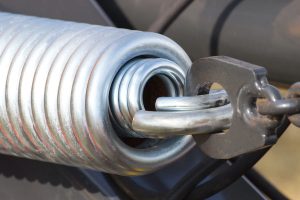
- Extension springs, which stretch and contract as the door moves.
The difference may sound simple, but the way that stored energy is transferred into the garage door system creates some important distinctions.
How Torsion Springs Work
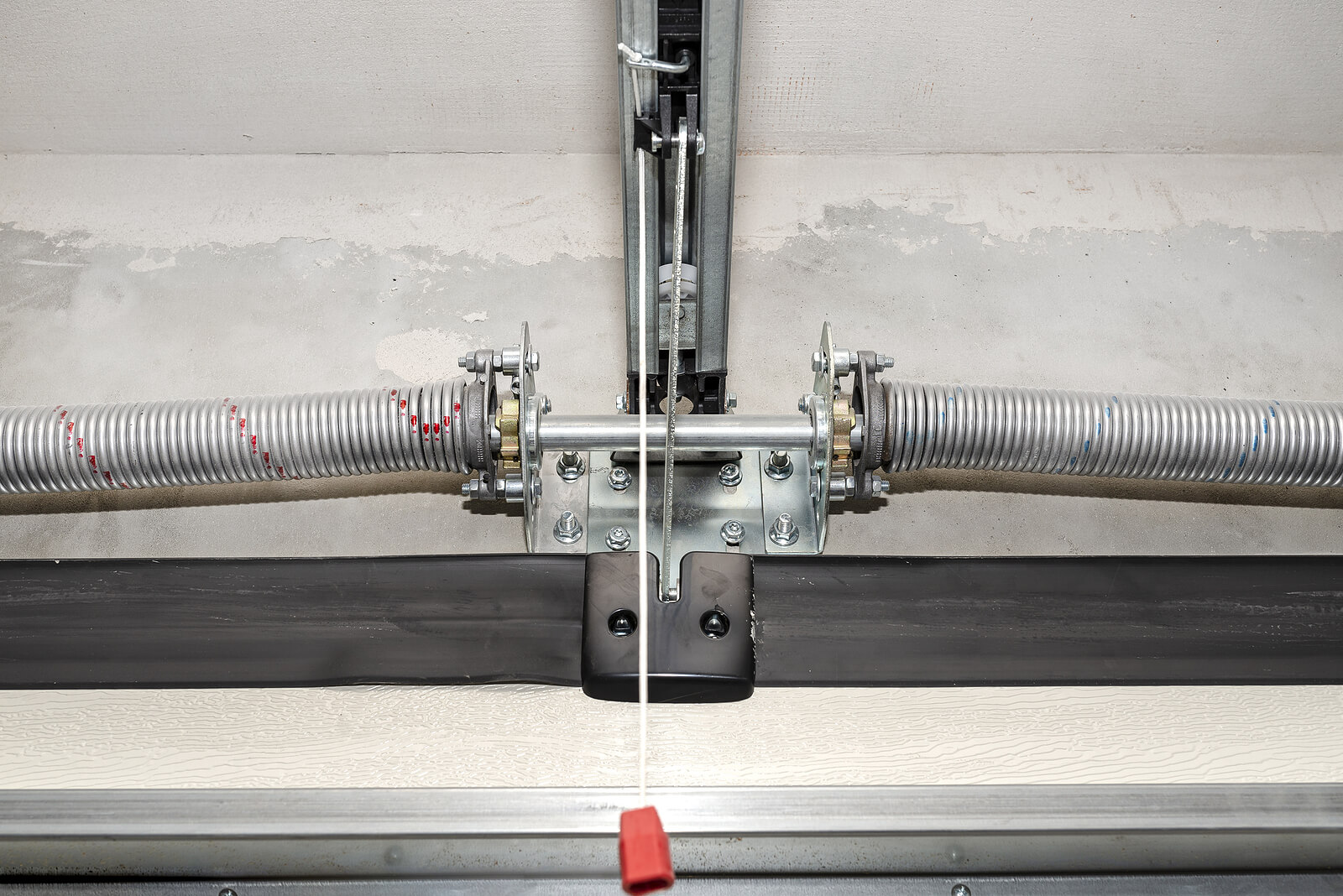
Torsion springs are generally installed above the garage door opening on a horizontal metal shaft. Cable drums are positioned at the ends of the shaft, and lift cables connect the drums to the bottom corners of the garage door.
When the garage door is closed, the torsion spring is wound and stores energy through torque. As the door opens, the spring unwinds and transfers its rotational force through the shaft, drums, and cables to help lift the door.
One of the primary characteristics of a torsion spring is that its counterbalancing effect remains relatively consistent throughout the door’s travel. This can contribute to smoother and more balanced operation.
Torsion springs also have a more contained design because the spring is mounted around a shaft. This is one reason they are commonly favored when the garage configuration allows for their installation.
Benefits of Torsion Springs
Torsion spring systems can offer several advantages, including:
- Consistent counterbalancing throughout the door’s movement
- Smooth and balanced operation
- A contained spring design
- Less hardware along the horizontal tracks
- A system that works well for many residential garage doors
The lifespan of a torsion system can vary based on usage, cycles, and the specific garage door configuration. As a general guideline provided by Precision Overhead Door, homeowners can expect a torsion system to last approximately 5 to 8 years.
How Extension Springs Work
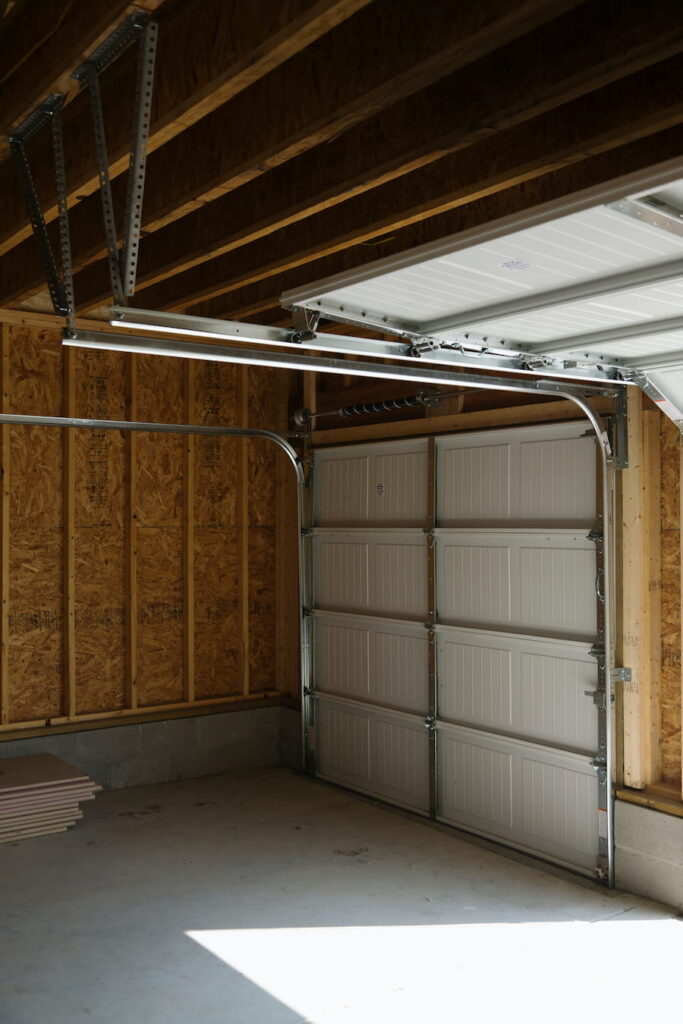
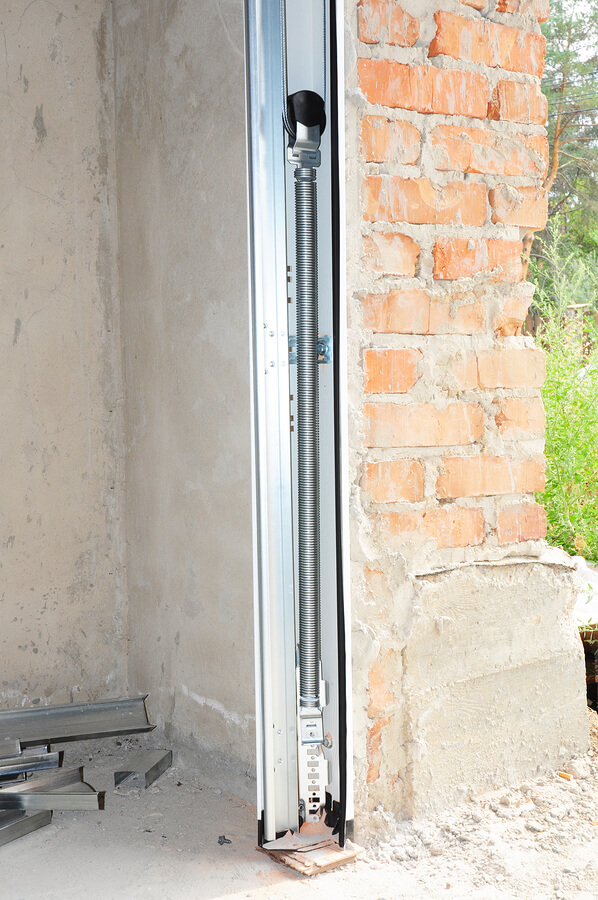
Extension springs operate differently. Rather than being mounted on a shaft above the door, they are installed along the sides of the garage door, generally running parallel to the horizontal tracks.
An extension spring is connected to a pulley and cable system. As the garage door closes, the spring stretches and stores potential energy. When the door opens, the spring contracts, pulling on the cables and helping lift the door.
Because extension springs work by stretching and contracting, the amount of force they provide changes as the spring changes length. The counterbalancing effect is strongest when the spring is stretched and decreases as the door moves through its travel. This can result in somewhat less consistent movement compared with a torsion spring system.
Extension spring systems also include additional hardware such as cables and pulleys. This configuration can be useful in garages where there is not enough overhead space for a traditional torsion spring setup.
Torsion Spring vs Extension Spring: Side-by-Side Comparison
When comparing a torsion spring vs extension spring, the biggest differences come down to design, operation, space requirements, cost, and the overall configuration of the garage door system.
| Feature | Torsion Springs | Extension Springs |
| Location | Above the door on a shaft | Along the horizontal tracks |
| How they work | Twist and release torque | Stretch and contract |
| Operation | Generally smoother and more consistent | Counterbalancing force changes during travel |
| Space | Requires room for the shaft and spring assembly | Can work with different headroom limitations |
| Upfront cost | Generally higher | Generally lower |
| Hardware | Shaft, drums, and cables | Springs, pulleys, and cables |
| Failure containment | Spring remains mounted on the shaft | Safety cables are important for containing the spring |
These differences do not mean that one spring is automatically appropriate for every garage door. The correct system depends on the door, the available space, the existing hardware, and the configuration of the garage.
How Long Do Garage Door Springs Last?
Spring lifespan is often discussed in terms of cycles. One cycle generally represents the garage door opening and closing.
However, from a homeowner’s perspective, it can also be helpful to think about the overall lifespan of the garage door system.
At Precision Overhead Door, a torsion system is generally expected to last approximately 5 to 8 years. The exact lifespan can depend on how frequently the garage door is used and the number of cycles the system goes through.
A garage door that opens and closes several times per day will naturally accumulate cycles faster than a door that is only used occasionally. This is one reason two similar garage doors may experience spring problems at different times.
Over the lifespan of a garage door, the numbers can add up.
This is particularly relevant for homeowners throughout the Las Vegas Valley. Many homes built during the mid-2000s are now approaching 20 years old. Homeowners in these properties may be reaching a point where the original garage door, opener, or other major components are nearing the end of their expected lifecycles, even if the springs have already been replaced multiple times.
Does a Torsion Spring Provide a Smoother Garage Door?
In general, torsion springs provide a more consistent counterbalancing effect throughout the garage door’s travel.
A torsion spring creates rotational force through the shaft, allowing the system to help balance the door as it moves. Extension springs, on the other hand, produce force based on how far they are stretched. As the door travels, that amount of stretch changes.
This distinction can affect how the door feels during operation.
A properly functioning torsion spring system can provide smooth and balanced movement from the closed position through the open position. Extension springs can also operate effectively when properly installed and maintained, but their changing force throughout the door’s movement can produce a different operating feel.
If a garage door suddenly becomes jerky, uneven, or difficult to operate, the springs may be one of several components that need attention.
What About Garage Ceiling and Headroom?
Available space is an important factor when comparing torsion and extension springs.
Torsion spring systems require enough overhead clearance for the shaft and spring assembly. The amount of space needed varies depending on the particular system and garage door configuration.
Extension springs run alongside the horizontal tracks, so they do not require the same type of overhead space.
This can make extension springs useful in garages with unusually low ceilings or limited headroom. In some situations, the physical characteristics of the garage may make an extension spring system the more practical choice.
This is an important consideration because the best spring system is not simply a matter of choosing the spring that sounds better. The spring has to work with the entire garage door system.
Which Is More Affordable?
Extension springs generally have a lower upfront cost, while torsion systems can cost more initially. However, the immediate cost is only one part of the equation.
Homeowners should also consider the age and condition of the garage door itself.
For example, replacing a torsion system on a relatively new garage door may be a straightforward repair decision. However, if the garage door is approaching 20 or 25 years old and has already gone through multiple spring replacements, it may make sense to inspect the entire system before moving forward.
A professional evaluation can help determine whether replacing a single component is appropriate or whether other parts of the system also need attention.
Which Spring Is Safer?
Safety is one of the most important considerations with any garage door spring.
Both torsion and extension springs store significant mechanical energy. That means spring repairs and replacements should not be treated as ordinary DIY projects.
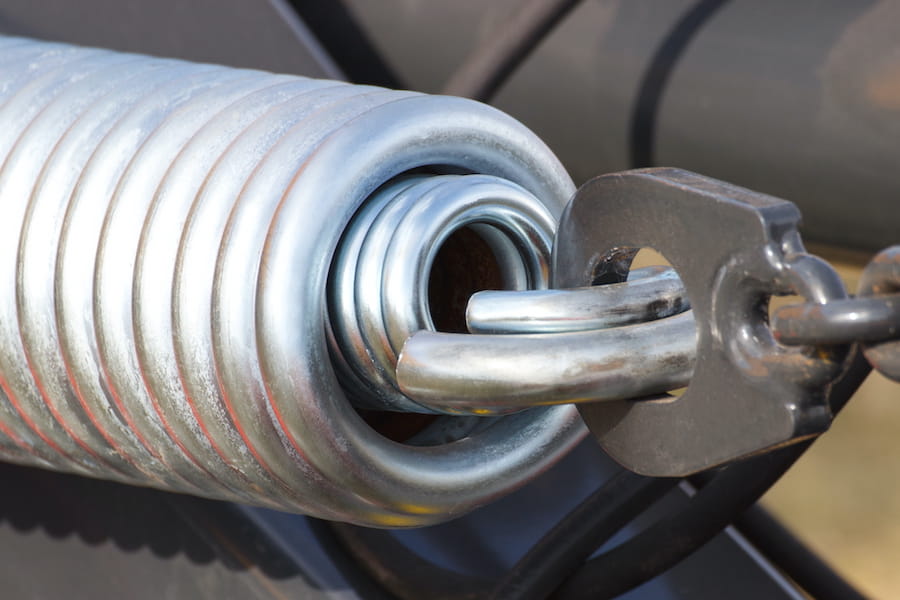
Torsion springs are mounted around a shaft, which provides a more contained configuration. Extension springs are not mounted around a shaft in the same way, which is why properly installed extension spring systems use safety cables to help contain a spring if it breaks.
If you notice a broken spring, unusual movement, or another spring-related problem, avoid attempting to adjust or replace the spring yourself. A trained garage door technician can evaluate the system and determine the appropriate repair.
Signs Your Garage Door Spring May Need Attention
Regardless of whether your garage door uses torsion or extension springs, changes in performance can indicate that the spring system needs to be inspected.
Some common warning signs include:
- The garage door suddenly feels much heavier than normal.
- The door will not open properly.
- The door only opens a short distance.
- The door moves unevenly.
- One side of the door appears higher than the other.
- You hear a loud bang from the garage.
- You see a visible break or gap in a torsion spring.
- The garage door does not remain balanced during operation.
A broken spring can prevent a garage door from operating normally and may place additional strain on other components if the door continues to be used.
Can You Replace a Garage Door Spring Yourself?
Garage door springs are under substantial tension, which makes spring replacement a job best handled by a trained professional.
Torsion springs require precise winding and must be properly matched to the garage door system. Incorrect tension can affect the balance and operation of the door. Extension springs also require careful handling because of the energy stored in the stretched spring.
Rather than attempting to remove, wind, stretch, or replace a spring yourself, have the system evaluated by a garage door professional.
Professional service can also help identify related issues that may not be obvious at first glance, such as worn cables, pulleys, rollers, or other components.
Does Garage Door Maintenance Help Springs Last Longer?
Regular maintenance can help homeowners identify problems before they become larger issues.
Precision Overhead Door provides garage door maintenance designed to help keep the system operating properly. The company’s maintenance service includes a full safety inspection as part of its tune-up service.
Maintenance is also an opportunity to have the overall garage door system evaluated rather than focusing on the springs alone. Since the springs work together with other components, checking the system as a whole can help identify developing problems.
For homeowners with aging garage doors, routine inspections can be particularly helpful. A professional can evaluate the springs, opener, rollers, tracks, cables, and other components to identify which parts may need attention.
Torsion Spring vs Extension Spring: Which Is Right for You?
So, when it comes to torsion spring vs extension spring, which one is better?
For many residential garage doors, torsion springs offer several advantages, including smoother operation, consistent counterbalancing, and a contained design. However, extension springs still have a place in garage door systems, particularly when limited headroom or the existing configuration makes them a practical option.
The right choice ultimately depends on your specific garage door.
If you are replacing a broken spring, it may also be worth considering the age of the entire garage door system.
A newer door with an isolated spring failure may simply need a spring replacement. On the other hand, a garage door that is approaching 20 to 25 years old may have already gone through several torsion systems and could also have an aging opener or other worn components.
Factors such as available space, door configuration, usage, the age of the door, and the condition of the existing counterbalance system can all affect the appropriate solution.
Most importantly, garage door springs should be treated as safety-critical components. If you notice signs of a failing spring, do not continue operating the door unnecessarily or attempt to repair the spring yourself.
Complete Garage Door Service From Precision Overhead Door
A spring problem does not always exist by itself. When your garage door is not operating correctly, the underlying issue could involve the springs, opener, cables, rollers, tracks, or other parts of the system.
At Precision Overhead Door, our services include general garage door repairs, opener repairs and spring repairs, garage door replacements, and garage door maintenance, giving homeowners a place to turn for both immediate repairs and ongoing care.
Whether you are dealing with a broken spring or trying to determine whether an aging garage door is still worth repairing, a professional inspection can help you make an informed decision.
Keep Your Garage Door Working Safely
Understanding the difference between torsion and extension springs can make it easier to recognize why your garage door operates the way it does and what may be happening when something goes wrong.
Both systems are designed to counterbalance the weight of the door, but they use different mechanisms and have different considerations when it comes to space, operation, cost, and safety.
If your garage door spring has broken, your door feels unusually heavy, or you are noticing changes in how the door opens and closes, contact Precision Overhead Door online or call (702) 637-2700 today to schedule professional garage door service and get your system operating safely again.
FAQ: Torsion Springs Vs. Extension Springs
1. What is the main difference between torsion and extension springs?
Torsion springs are mounted on a shaft above the garage door and use twisting force to create torque. Extension springs are installed along the sides of the door and stretch and contract to help counterbalance the door.
2. Are torsion springs better than extension springs?
Torsion springs are often preferred for many residential applications because they provide consistent counterbalancing and smooth operation. However, extension springs can be appropriate when garage configuration or limited headroom makes them a practical option.
3. Why do my garage door springs keep failing?
Garage door springs have a shorter expected lifespan than the garage door itself. A torsion system may last approximately 5 to 8 years, while a garage door may last approximately 20 to 25 years. Depending on usage and cycles, homeowners may need to replace the torsion system multiple times during the life of the door.
4. How can I tell if my garage door spring is broken?
A garage door with a broken spring may become extremely heavy, refuse to open, open only partially, or move unevenly. A loud bang from the garage or a visible gap in a torsion spring can also indicate a broken spring.
5. Are garage door springs dangerous to replace?
Yes. Both torsion and extension springs store significant mechanical energy and can cause serious injury if handled incorrectly. Spring replacement and adjustment should be performed by a trained professional.