
A noisy garage door is more than just an annoyance; it can be a sign of underlying issues that, if left unaddressed, could lead to significant damage and costly repairs. For homeowners in Las Vegas, understanding the common causes of garage door noise is crucial for maintaining smooth and safe operation. Here’s why you should never ignore a noisy garage door and the potential causes of that unsettling noise.
Common Causes of Noisy Garage Doors
- Lack of Lubrication: Insufficient lubrication is one of the most common reasons for a noisy garage door. Metal components such as rollers, hinges, and tracks can create friction, leading to squeaking or grinding noises.
- Worn or Damaged Rollers: Rollers that have become worn or damaged can create rattling or grinding sounds as they move along the tracks. This is particularly common with metal rollers.
- Loose Hardware: Over time, the vibrations from the garage door’s operation can cause nuts, bolts, and screws to loosen. This can result in a variety of noises, including rattling and clanking.
- Misaligned Tracks: Tracks that are not properly aligned can cause the door to become unbalanced, leading to scraping or grinding noises as the door moves.
- Worn-Out Springs: Garage door springs bear the brunt of the door’s weight and can wear out over time, leading to creaking or popping noises. Broken springs can also cause the door to become unbalanced or fail to open and close properly.
- Damaged or Worn Hinges: The door panels’ hinges can become worn or damaged, leading to squeaking or grinding noises during operation.
- Improper Garage Door Opener Settings: If the garage door opener is not adjusted correctly, it can contribute to noise. The chain or belt drive may need tightening or lubrication, or the motor unit might be mounted too loosely.
Why Addressing Noise is Important
- Prevent Further Damage: Ignoring a noisy garage door can lead to more severe issues over time. Worn or misaligned components can cause additional stress on other parts, leading to more extensive and costly repairs.
- Safety Concerns: A noisy garage door can be a warning sign of a potential safety hazard. Worn springs or loose hardware can cause the door to malfunction, posing a risk to people and property.
- Extend Lifespan: Regular maintenance and prompt repairs can extend the lifespan of your garage door and its components. This saves money in the long run and ensures reliable operation.
- Improve Home Comfort: Reducing garage door noise improves the overall comfort of your home. This is especially important if your garage is attached to your living space or if you use your garage frequently.
Loud Thumps or Clunks
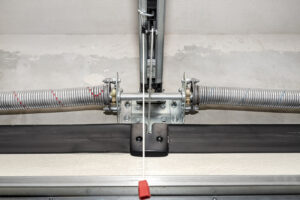
Clunks, thumps, and even booms when the door opens and closes often signal a garage door opener problem. The noise may be caused by the opener struggling to lift and lower the door. Oftentimes this is due to a broken torsion spring. You can safely check the spring while the door is closed; if it has broken into two pieces, a repair technician should replace the spring to restore your garage door’s function.
Clinking
Hearing a “clink, clink, clink” while your garage door is operating can mean different things. Most often, it’s from the spring coils rubbing against one another after they dry out and develop rust. This is something to look for in a cool, humid garage. A defective roller can make a clinking sound as well; if so, it is nearing the end of its life and may fall off if not repaired or replaced soon.
Squeaking
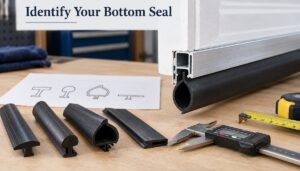
A squeak is a much sharper sound than a clink. The door will squeak constantly when it opens and closes, meaning its PVC components are not properly lubricated. To fix the problem, apply lubrication to the weather stripping on the exterior frame and between each garage door section.
Grinding
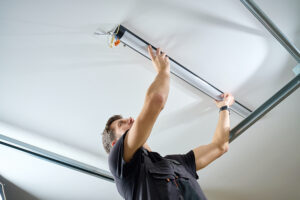
Metallic grinding sounds often involve an electric garage door opener’s chain or belt. The grinding is often due to a loose chain/belt or one that should be adjusted by a professional. A chain or belt problem can cause the opener to work harder than normal. It can also affect the gear pinions, which may skip links as a result of the issue.
Determine the Source of the Noise
As we know, garage doors make noise for a reason. The issue might not be that serious if metal parts need to be lubricated. You can do this yourself applying a petroleum-based oil to rollers, hinges, and springs that are in working condition. Silicone-based lubricants can be used for weather stripping.
But if you notice a broken spring, it is a serious matter. Operating a garage door with a broken spring can lead to more catastrophic damage to the system, your vehicle, or belongings stored in your garage, as well as serious injuries. The springs, and the lifting mechanism, are under high tension so if a spring breaks off, pieces can be flung at high velocities. Never change a broken spring yourself. Call a garage door repair professional to address the problem with the appropriate equipment. They are experienced in these types of matters and can fix the issue quickly while avoiding serious dangers.
Need Help With Your Noisy Garage?
A noisy garage door should never be ignored, as it can indicate underlying issues that require attention. Identifying the causes of common noise is the first step in ensuring your garage door operates smoothly and safely. For complex problems, or if you’re unsure about any repairs, it’s always best to consult a garage door technician. Precision Overhead Door of Las Vegas in Las Vegas offers expert repair and maintenance services to keep your garage door in top condition. Contact us today for reliable, professional assistance and enjoy a quieter, more reliable garage door.