
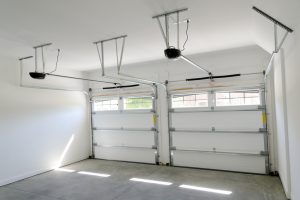
Your garage door’s tracks provide the path that the wheels of the door use in order to lift and lower the garage when you want it to open or close. Different types of damage can occur on the tracks, causing the door to stop working, develop noise or shake while it moves.
Three Common Problems With Garage Door Tracks
Each side of your garage door has a wheel that moves along a metal track. The tracks line the door’s frame and extend up and across the ceiling of your garage. A problem with the tracks can cause your garage door to jam, shake or completely stop working. If you do notice a problem with your garage door’s tracks, a Las Vegas garage door repair service can inspect and repair or replace them.
Dust and Debris
If you do not regularly use your garage door, the tracks may accumulate dust. On a windy day, dirt and debris can blow into your garage and coat the tracks. The layer of dust or dirt becomes sticky on the wheels as it combines with the lubricant. This can cause the door to shake or vibrate as it moves. The door may also slow down or move unevenly.
Warping
A sudden change in temperature or humidity levels may cause the garage door’s tracks to warp. A twist or bend can develop from extreme heat or extreme cold. Even a slight expansion or contraction of the metal is enough to cause the door to jam. If the track experiences repeated episodes of warping, it may have to be completely replaced. Insulating your garage may help to minimize this type of damage.
Dents
A flying pebble from the lawnmower, an impact from a ball or another type of accident may cause a dent to develop on the tracks. When the tracks have a dent, the wheel may not be able to slide. This could cause the door to stop at the location of the dent and reverse its direction. In some cases, dents can be evened and repaired. A deep dent may necessitate a track replacement.


